
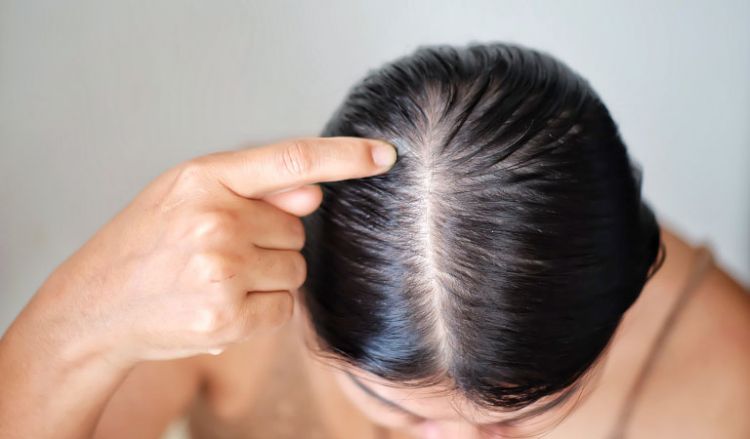
Hair Loss in Women: Causes, Treatments, and Prevention
Hair loss in women is more common than many people realize. While society often associates hair thinning with men, millions of women experience noticeable hair loss during their lifetime. This condition can affect self-confidence and emotional well-being, but understanding its causes and treatment options can help women manage and even reverse certain types of hair loss.
Understanding the Female Hair Growth Cycle
Hair grows in a repeating cycle consisting of three phases:
1. Anagen (Growth Phase) – Hair actively grows from the follicle for 2–7 years.
2. Catagen (Transition Phase) – Growth slows and the follicle shrinks.
3. Telogen (Resting Phase) – Hair stops growing and eventually falls out, allowing new hair to replace it.
Normally, women lose about 50–100 hairs per day. However, when the hair growth cycle is disrupted, excessive shedding or thinning may occur.
Common Causes of Hair Loss in Women
1. Female Pattern Hair Loss
One of the most common causes is Female Pattern Hair Loss, also known as androgenetic alopecia. Unlike male baldness, women usually experience overall thinning on the top of the scalp rather than a receding hairline.
This condition is influenced by genetics and hormones, particularly sensitivity to dihydrotestosterone (DHT).
2. Hormonal Changes
Hormones play a major role in hair health. Hair loss may occur during:
- Pregnancy
- Postpartum recovery
- Menopause
- Hormonal disorders
Conditions such as Polycystic Ovary Syndrome can also cause hair thinning due to increased androgen levels.
3. Stress and Illness
Physical or emotional stress can trigger Telogen Effluvium, a condition where many hair follicles prematurely enter the resting phase. This often occurs after:
- Major illness
- Surgery
- Severe stress
- Rapid weight loss
Hair shedding usually begins 2–3 months after the trigger and may be temporary.
4. Autoimmune Conditions
In some cases, the immune system attacks hair follicles, leading to patchy hair loss known as Alopecia Areata. Hair may fall out in round patches on the scalp or other parts of the body.
5. Nutritional Deficiencies
Hair requires proper nutrients to grow. Deficiencies in the following may contribute to thinning hair:
- Iron
- Protein
- Vitamin D
- Zinc
- Biotin
One common cause is Iron Deficiency Anemia, which can significantly affect hair growth.
6. Hairstyling Damage
Certain hairstyles and treatments can weaken hair over time. Tight braids, ponytails, extensions, and chemical treatments may lead to Traction Alopecia, where repeated pulling damages hair follicles.
Treatments for Hair Loss in Women
1. Topical Medications
A widely used treatment is Minoxidil, applied directly to the scalp. It can:
- Stimulate hair follicles
- Slow hair thinning
- Promote regrowth in some women
Results usually appear after several months of consistent use.
2. Hormonal Treatments
For women with hormone-related hair loss, doctors may prescribe medications such as:
- Anti-androgens
-
Birth control pills (in certain cases)
These treatments help regulate hormone levels that affect hair follicles.
3. Advanced Medical Treatments
Some dermatologists recommend procedures such as:
- Platelet-Rich Plasma Therapy – injections that stimulate hair growth using the patient’s own blood plasma
- Hair Transplant Surgery – relocating hair follicles to thinning areas
These options are typically used for more severe or persistent hair loss.
Natural Ways to Support Healthy Hair
While medical treatments may be necessary in some cases, healthy habits can also support hair growth:
✔ Eat a balanced diet rich in protein, iron, and vitamins
✔ Reduce stress through exercise or relaxation techniques
✔ Avoid tight hairstyles and excessive heat styling
✔ Use gentle hair care products
✔ Maintain good scalp health
When to See a Doctor
Women should seek medical advice if they notice:
- Sudden or excessive hair shedding
- Hair falling out in patches
- Thinning accompanied by fatigue or hormonal symptoms
- Hair loss after illness or medication changes
Early diagnosis can help identify underlying conditions and improve treatment outcomes.
Final Thoughts
Hair loss in women can have many causes, from hormonal changes to stress and nutritional deficiencies. Although it may feel overwhelming, many types of hair loss are treatable or reversible. With the right diagnosis, treatment, and lifestyle adjustments, women can often restore healthier, fuller hair.
Share and get 15% off!
Simply share this product on one of the following social networks and you will unlock 15% off!